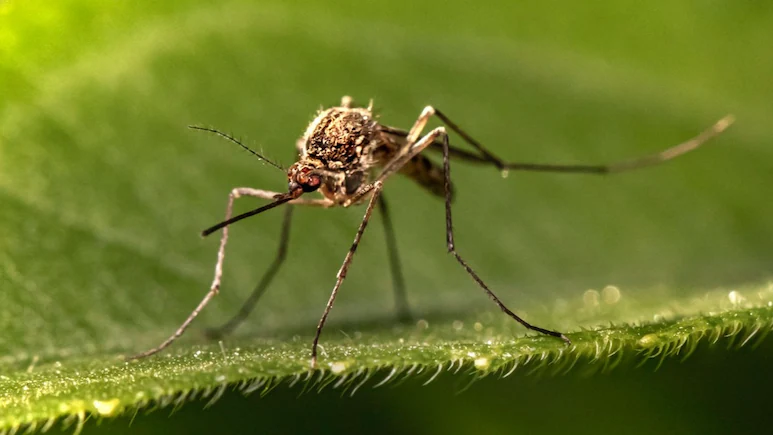
Dengue appears each year in India and continues to be a active health concern. In 2025, many parts of the country saw early and sustained increases in dengue cases and public-health sites called it a “worrying surge.” National surveillance showed an earlier-than-normal rise in dengue cases this season, with several states reporting higher case counts than the same period in previous years. These trends matter because dengue outbreaks don't happen in isolation. The virus exploits local weaknesses like stagnant water, crowded housing, incomplete vector control and global trends like rising temperatures, shifting rainfall to spread faster. Till August 2025, India had recorded 49,573 dengue cases and 42 deaths. Although many cases go unreported and the numbers could be somewhere around 2-2.25 lakhs. Below are factors that explain surge in 2025 and how Indians can reduce their risk of dengue in 2026.
Why dengue surged in 2025
1. Weather patterns
Aedes aegypti, the mosquito that transmits dengue, thrives when temperatures and humidity are higher and when rainfall leaves lots of small water collections. Warmer weather shortens the mosquito's lifecycle and reduces the time the virus needs to develop inside the insect, so more mosquitoes become infectious sooner. Unusual climate signals in 2025 saw early onset of monsoon in places, erratic rainfall patterns, intermittent rains and warm spells, creating many breeding windows. Along with this, longer transmission seasons and changing dengue ecology as dengue is no longer strictly “monsoon + post-monsoon.” Several health officials now describe dengue as becoming “perennial” in parts of India, meaning risk persists beyond the traditional season.
2. Urban growth and the “micro-habitat” problem
Aedes breeds in tiny collections of water like flower pots, clogged drains, plastic containers, discarded tyres and rooftop gutters. Rapid, often unplanned urbanisation increases these micro-habitats. Cities that expand faster than drainage and waste services can manage will reliably produce more breeding sites. Urban heat islands (city areas hotter than surrounding zones) add to the problem by making conditions even more mosquito-friendly. Recent assessments show urban expansion and heat-island effects are important drivers of higher dengue incidence.